
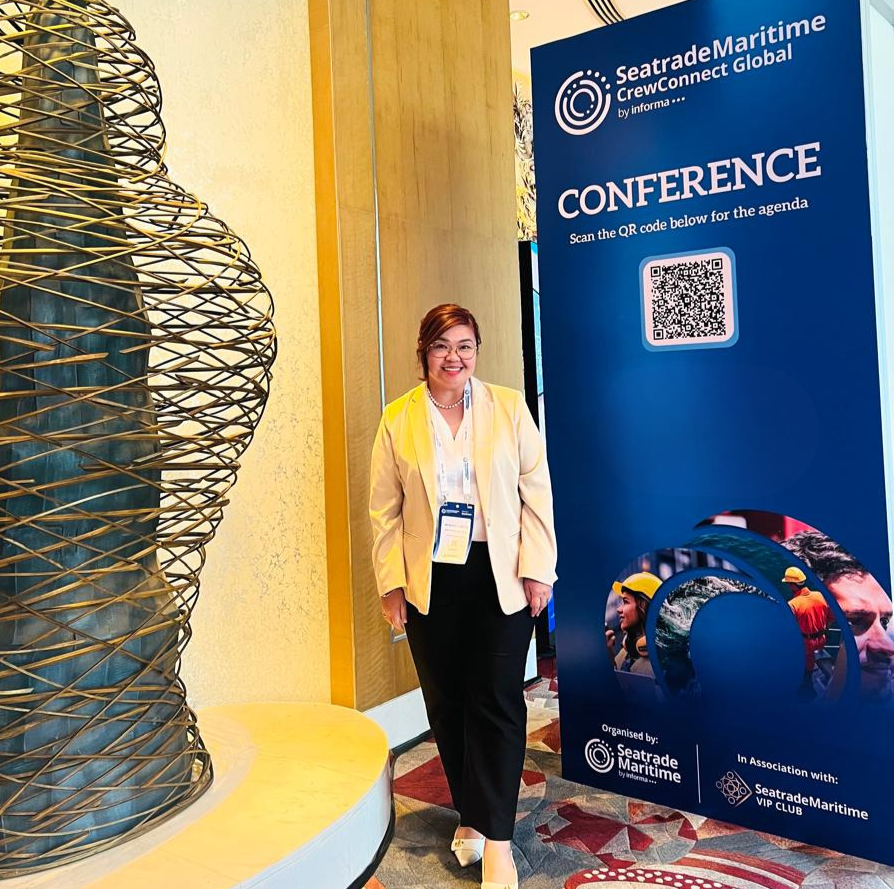
From training to competency: preparing seafarers for onboard operations
Completing maritime training is one thing. Being able to apply that knowledge and those skills onboard is another. At Crew Connect Global 2026, held in Manila from 20 to 22 October, discussions about the effectiveness of maritime training raised an important question: how can the industry ensure that seafarers develop and maintain the competencies needed for safe and effective onboard operations?
Measuring the effectiveness of maritime training
One of the questions raised at Crew Connect Global was whether the maritime industry is facing a shortage of officers or, more specifically, a shortage of experienced and competent officers. While recruitment and retention remain key priorities for the maritime industry, ensuring that maritime professionals continuously develop and maintain the competencies required to perform their roles safely and effectively deserves equal attention.
This also puts the effectiveness of maritime training in focus. Training, including simulator-based exercises, should contribute to measurable improvements in decision-making, practical skills and operational performance.
Meeting training requirements and obtaining certifications remain essential, but qualifications alone do not demonstrate a seafarer’s ability to perform effectively onboard. Situational awareness, critical thinking and the ability to make sound decisions under pressure are just as important as technical knowledge.
Preparing seafarers before joining a vessel
Developing competent crews starts well before seafarers step onboard. An important part of this preparation is ensuring that crew members understand their rights, potential risks and responsibilities before starting an assignment.
Effective onboarding involves both awareness of these responsibilities and practical preparation for working onboard. Familiarity with the working environment, safety procedures and vessel-specific operations can help seafarers begin their assignments with greater knowledge and confidence.
Maintaining competencies beyond initial training
Competency development does not end when seafarers join a vessel. Knowledge and skills need to be maintained throughout their careers. While some skills are used in daily onboard operations, others, such as emergency response skills, may not be needed regularly but must remain ready to be applied when required.
Continuous learning, refresher training and regular practice help seafarers maintain their skills, keep their knowledge up to date and recognise potential risks. This supports their confidence and ability to respond effectively to the challenges they may encounter onboard.
Combining digital learning with practical experience
Digital learning and simulation can support seafarers before joining a vessel and throughout their careers. Vessel-specific familiarisation, interactive learning environments and scenario-based exercises allow crew members to prepare for onboard responsibilities, revisit procedures and practise decision-making.
However, technology alone does not guarantee better learning outcomes. Its value lies in how effectively it complements hands-on training and helps seafarers develop and apply their competencies in practice.
From learning to operational readiness
Developing a competent maritime workforce requires more than providing training and awarding certifications. The challenge is to ensure that seafarers can demonstrate, apply and maintain the knowledge and skills needed for their responsibilities onboard.
By focusing on continuous competency development and combining different learning methods with practical experience, the maritime industry can strengthen operational readiness throughout a seafarer’s career.
